
What Is a Health & Safety Policy? A Simple Guide for UK Businesses
For any UK business—whether you employ one person or one hundred—having a health and safety policy isn’t just a box‑ticking exercise. It’s a legal requirement and a practical tool that helps you protect your people, your reputation, and your organisation’s long‑term resilience.
If you’ve ever wondered “What is a health and safety policy?” or “Do I really need one?”, this guide breaks it down in simple, actionable terms.
What Is a Health & Safety Policy?
A health and safety policy is a written commitment that sets out:
- Your organisation’s approach to managing health and safety
- Who is responsible for what
- How risks will be controlled in practice
Think of it as your organisation’s blueprint for keeping people safe. It shows employees, clients, insurers, and regulators that you take your responsibilities seriously.
In the UK, the Health and Safety at Work etc. Act 1974 requires every employer to have a policy. If you employ five or more people, it must be written down.

Why UK Businesses Need a Health & Safety Policy
A strong health and safety policy UK businesses can rely on does more than meet legal requirements. It:
- Reduces accidents, incidents, and near misses
- Demonstrates compliance to insurers, clients, and accreditation bodies
- Builds trust with employees and contractors
- Supports tender applications and pre‑qualification questionnaires
- Helps you manage risks consistently and confidently
For small businesses, it’s often the first step toward a safer, more organised workplace.
The Three Essential Parts of a Health & Safety Policy
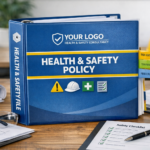
Every UK health and safety policy must include three core sections:
1. Statement of Intent (Your Commitment)
A clear, signed declaration from the most senior person in the business. It outlines your commitment to maintaining safe working conditions and complying with legislation.
2. Responsibilities (Who Does What)
This section defines roles and accountability, such as:
- Directors and senior leaders
- Managers and supervisors
- Employees
- Competent persons or external consultants
Clear responsibilities prevent confusion and ensure safety isn’t left to chance.
3. Arrangements (How You Manage Safety Day‑to‑Day)
This is the practical part—how you control risks. It may include:
- Risk assessments
- Training and competence
- Fire safety
- First aid
- Incident reporting
- Contractor management
- Equipment maintenance
- Hazardous substances
- Lone working
Your arrangements should reflect what actually happens in your business, not generic statements.
How to Create a Health & Safety Policy That Works
A good policy is:
- Clear – no jargon, no fluff
- Relevant – tailored to your activities
- Up to date – reviewed annually or after significant change
- Communicated – shared with staff, contractors, and stakeholders
- Implemented – backed by real action, not just paperwork
If your policy sits in a drawer, it’s not doing its job.
Final Thoughts
A health and safety policy is more than a legal requirement—it’s a foundation for a safer, more resilient business. Whether you’re a growing SME or a specialist consultancy, getting your policy right sets the tone for everything else you do.

Get in touch with us for free advice on your Health and Safety Policy